I come from a middle-class background, where every dollar matters. After covering monthly expenses, I’m usually left with just a small amount to save—and I take that seriously.
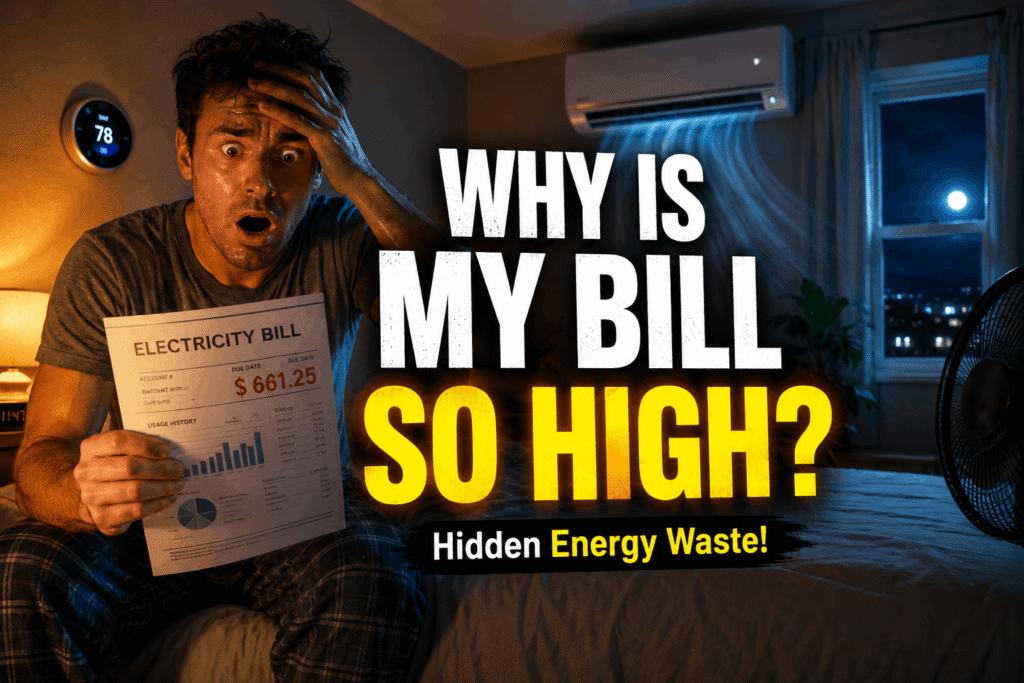
But over the past few months, something didn’t feel right. My electricity bill started going up consistently. At first, I ignored it, thinking it might be seasonal or temporary. But month after month, the cost kept increasing.
I tried a few basic things—turning off lights more often, being mindful of usage—but nothing seemed to make a real difference.
That’s when I decided to take a closer look.
After spending some time understanding my energy usage, I realized there were a few key issues I had been completely overlooking. Small things, but powerful enough to quietly drive my bill higher every single month.
If you’re experiencing the same problem, these are the exact points you need to pay attention to.
1. Hidden Energy Usage from Standby Devices
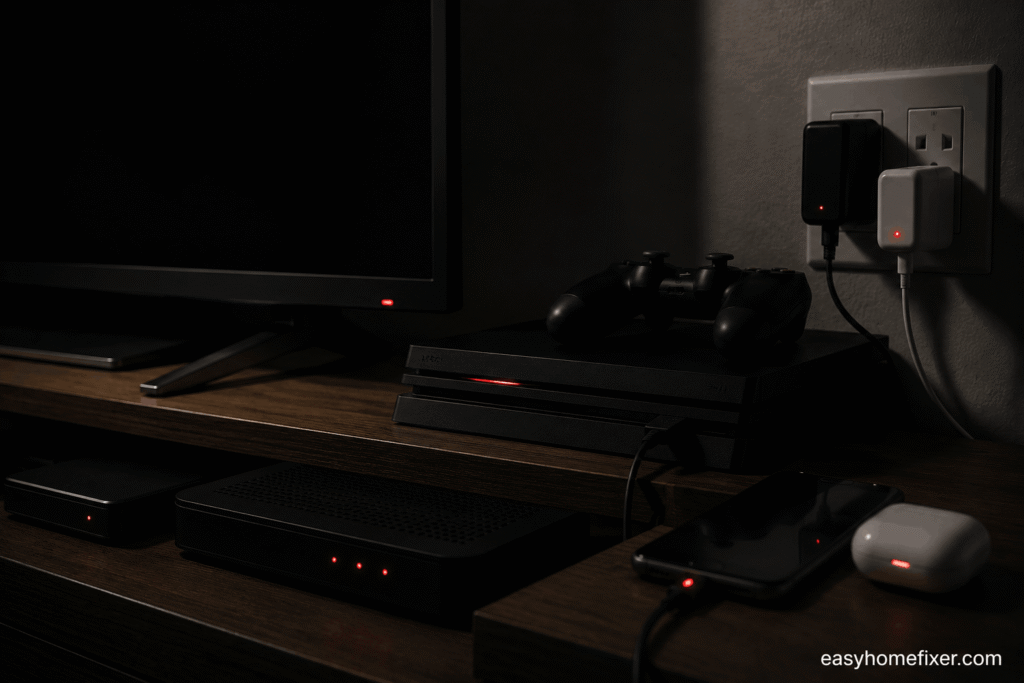
Many electronic devices continue to consume electricity even when they are turned off. This is commonly referred to as “phantom” or “standby” power.
Devices that typically draw standby power include:
- Televisions
- Streaming devices and set-top boxes
- Phone chargers
- Gaming consoles
- Routers and modems
Over time, this constant low-level consumption can significantly increase your monthly bill.
How to fix it:
Unplug devices when not in use or connect them to a power strip that can be turned off completely.
2. Air Conditioning Is Driving Up Your Costs
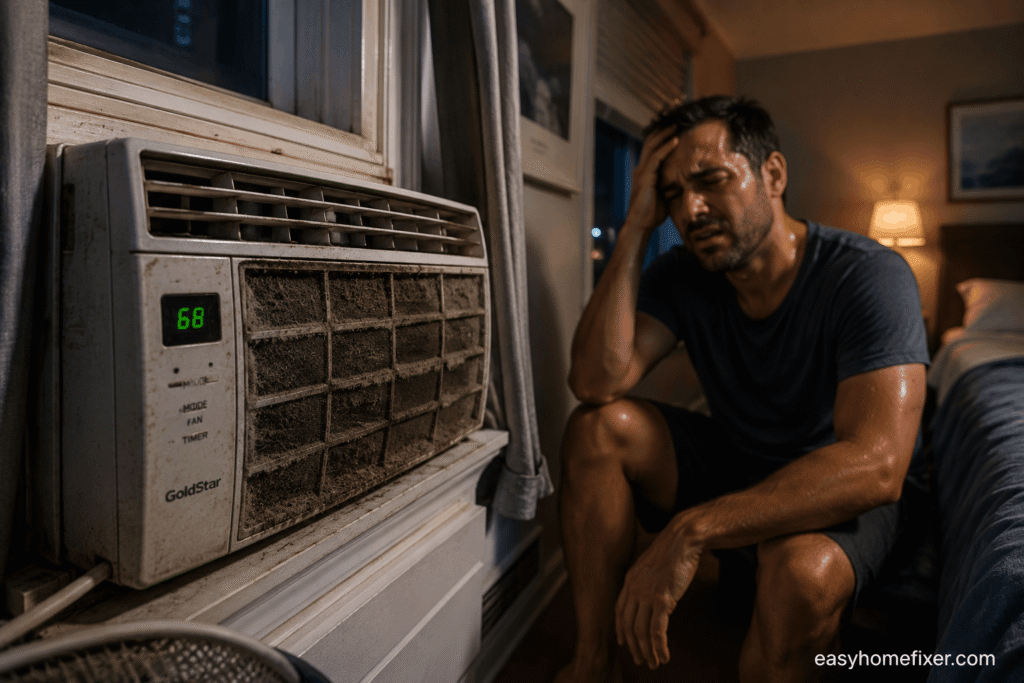
Air conditioning systems are one of the largest contributors to high electricity bills, especially during warmer months.
Common issues include:
- Dirty or clogged filters
- Aging or inefficient units
- Low refrigerant levels
- Running the system longer than necessary
When your AC system is not operating efficiently, it consumes more energy to achieve the same level of cooling.
How to fix it:
Clean or replace filters regularly, schedule routine maintenance, and consider upgrading to an energy-efficient model if your unit is outdated.
3. Incorrect Thermostat Settings
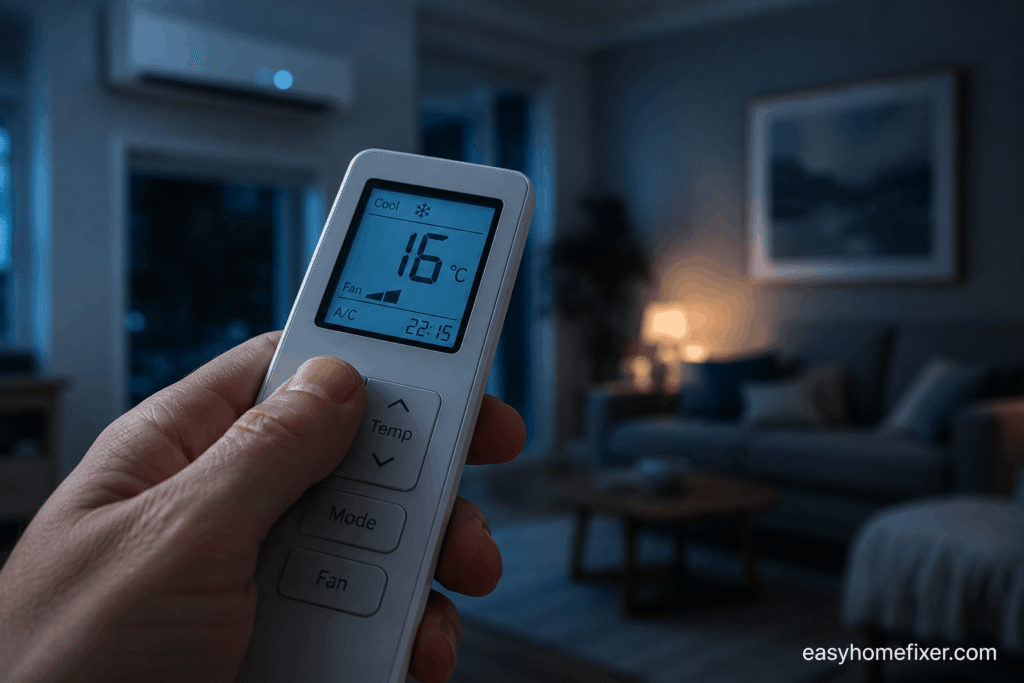
Setting your thermostat too low can dramatically increase energy consumption.
Many people assume that lowering the temperature will cool the room faster, but in reality, it only makes the system run longer and harder.
Key fact:
Each degree lower on your thermostat can increase energy usage by up to 10 percent.
How to fix it:
Set your thermostat between 75°F and 78°F for optimal efficiency and comfort.
4. Outdated and Inefficient Appliances
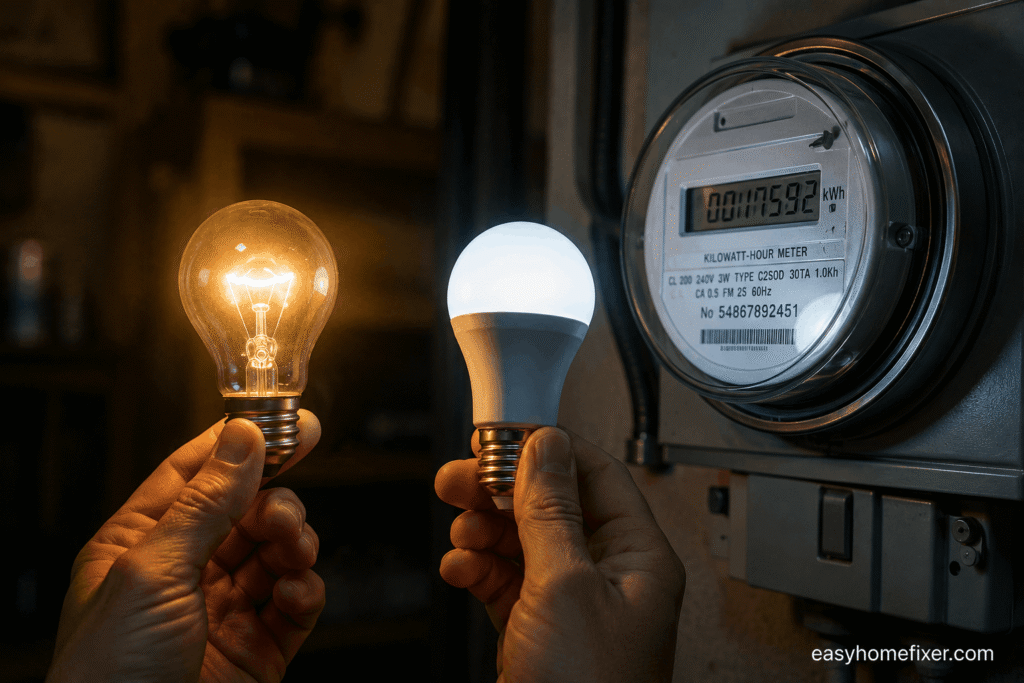
Older appliances tend to use significantly more electricity compared to modern energy-efficient models.
Common energy-heavy appliances include:
- Refrigerators
- Washing machines
- Water heaters
- Lighting systems using incandescent bulbs
How to fix it:
Upgrade to energy-efficient appliances with high energy ratings and switch to LED lighting wherever possible.
5. Poor Insulation and Heat Gain

If your home is not properly insulated, it allows heat to enter easily and cool air to escape. This forces your air conditioning system to work harder, increasing energy consumption.
Common problem areas include:
- Windows without proper sealing
- Gaps around doors
- Thin or ineffective curtains
- Direct sunlight entering living spaces
How to fix it:
Seal gaps around doors and windows, use blackout curtains or blinds, and limit direct sunlight during peak hours.
6. Electrical Issues and Power Leakage
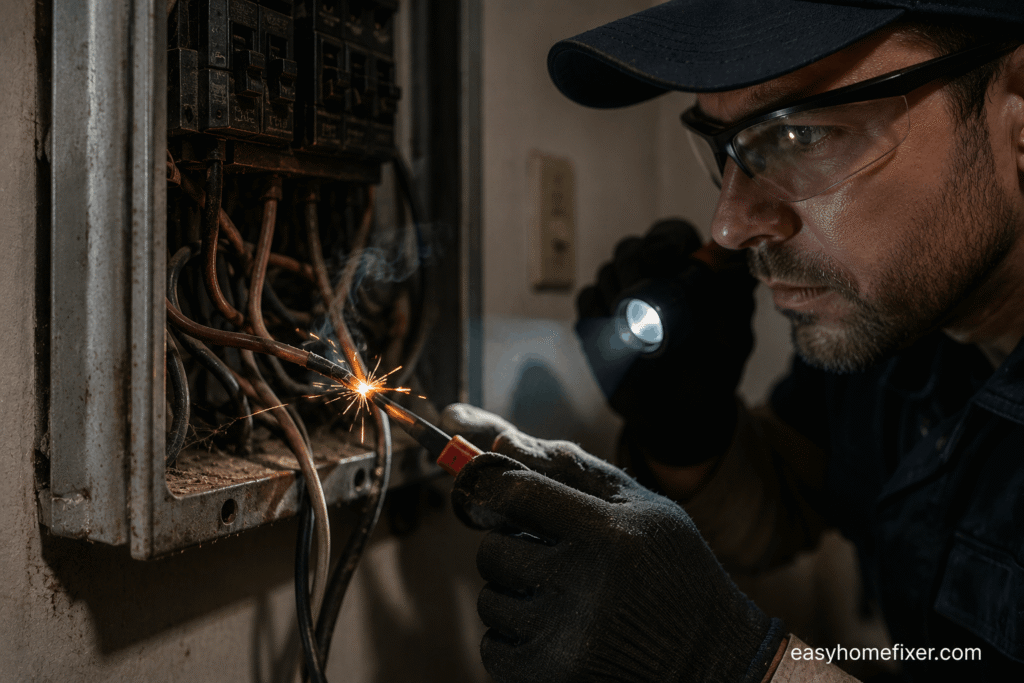
Sometimes, high electricity bills are not caused by usage but by underlying electrical problems.
Potential issues include:
- Faulty or outdated wiring
- Power leakage
- Malfunctioning meters
These problems can lead to unnecessary energy loss and even safety risks.
How to fix it:
Have a licensed electrician inspect your home’s electrical system to identify and resolve any faults.
Final Thoughts
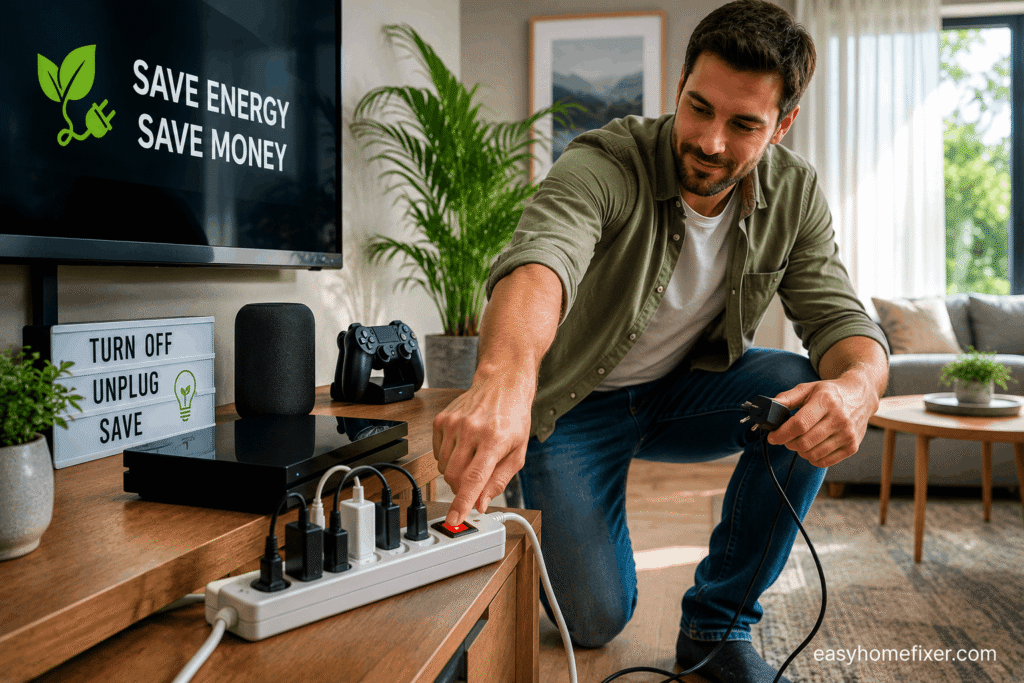
A high electricity bill is rarely caused by a single issue. It is usually the result of multiple small inefficiencies that add up over time.
By identifying and fixing these problems early, you can take control of your energy usage and reduce your monthly costs significantly.
FAQs
Q1. Why is my electricity bill so high?
Ans. High AC usage, standby power, old appliances, and poor insulation are the main reasons.
Q2. Do plugged-in devices use electricity?
Ans. Yes, even when off. This is called standby or phantom power.
Q3. Best AC temperature to save electricity?
Ans. Set it between 75°F–78°F for efficiency.
Q4. What uses the most electricity at home?
Ans. AC, refrigerator, water heater, and old appliances.
Q5. How can I reduce my electricity bill fast?
Ans. Unplug unused devices, clean your AC, and use energy-efficient appliances.