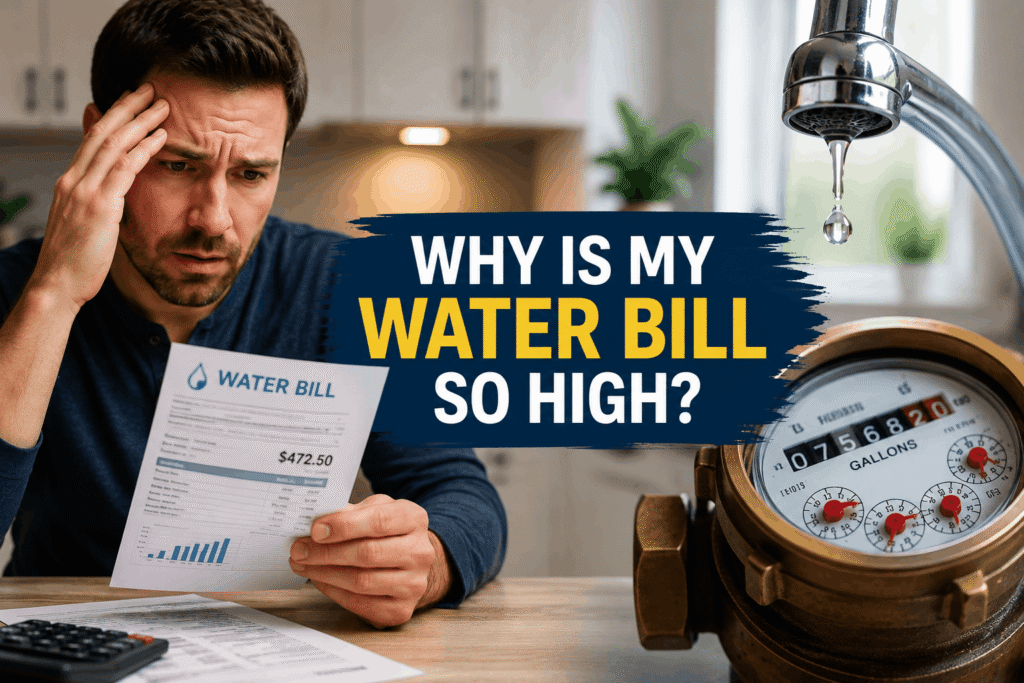
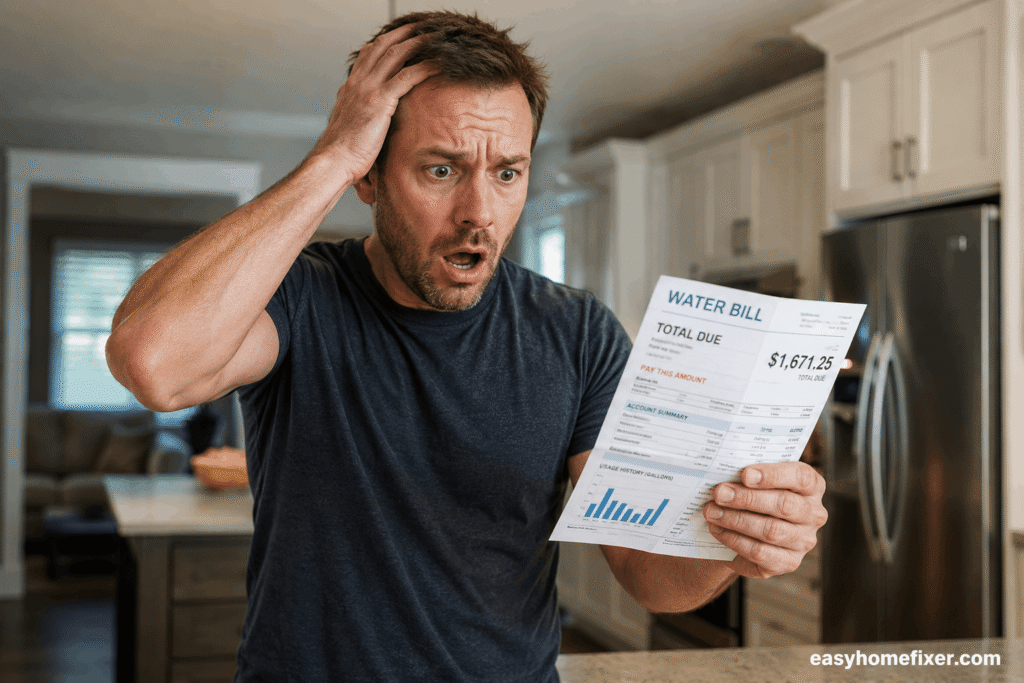
For the longest time, I was frustrated every time my water bill arrived. My family wasn’t using an unusual amount of water, we weren’t filling a swimming pool every week, and our daily habits seemed completely normal. Yet somehow, the bill kept showing up higher than expected month after month.
At first, I assumed utility rates had simply gone up. But after seeing several unusually high bills in a row, I decided to dig deeper and do some research. What I discovered was surprising. In many cases, the reason behind a high water bill has nothing to do with how much water you think you’re using. Hidden leaks, running toilets, inefficient fixtures, and a few other overlooked problems can quietly waste thousands of gallons of water without you even noticing.
If you’ve been wondering why your water bill suddenly seems so expensive, you’re not alone. In this guide, I’ll walk you through the most common causes of a high water bill and show you how to identify and fix them before they cost you even more money.
1. Hidden Water Leaks
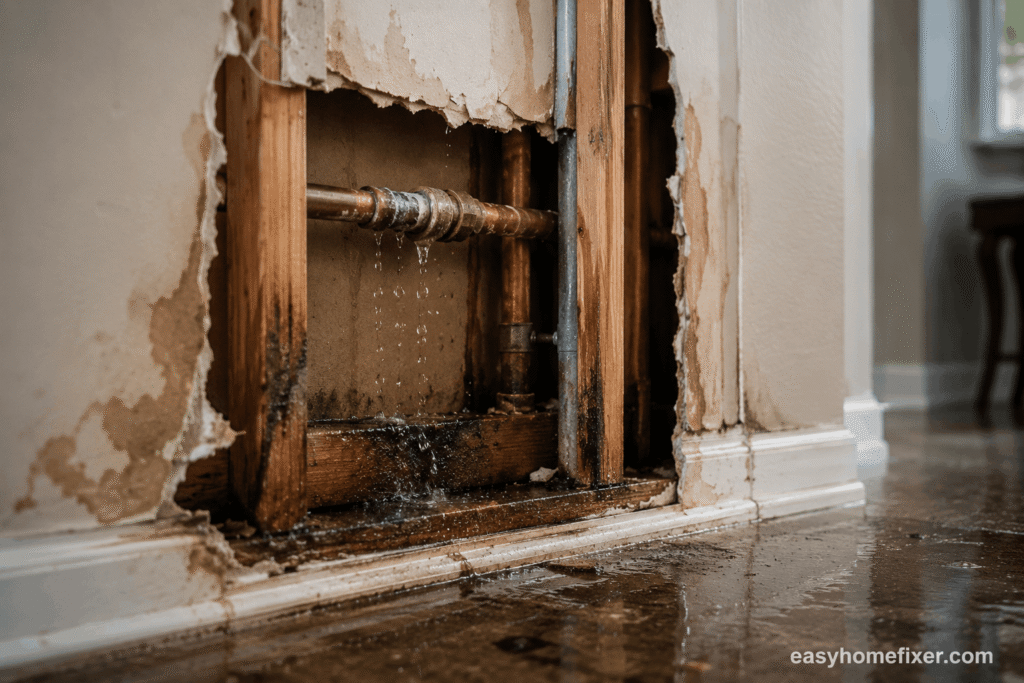
Hidden leaks are one of the biggest reasons homeowners experience a sudden increase in their water bills. Pipes can develop small cracks behind walls, under floors, or even underground. Because these leaks are often out of sight, they can continue wasting water for weeks or months before being noticed.
Common signs of hidden leaks include:
- Water stains on walls or ceilings
- Mold or mildew growth
- Damp or soft flooring
- Musty odors
- The sound of running water when no fixtures are in use
Even a small leak can waste hundreds of gallons of water every month, leading to significantly higher bills.
2. A Running Toilet
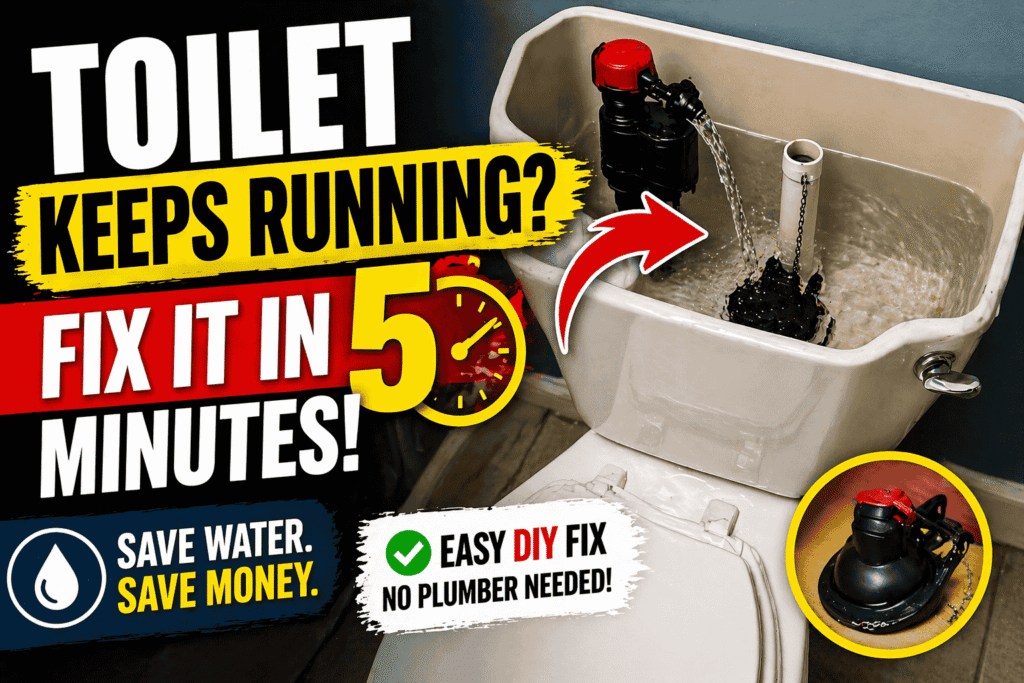
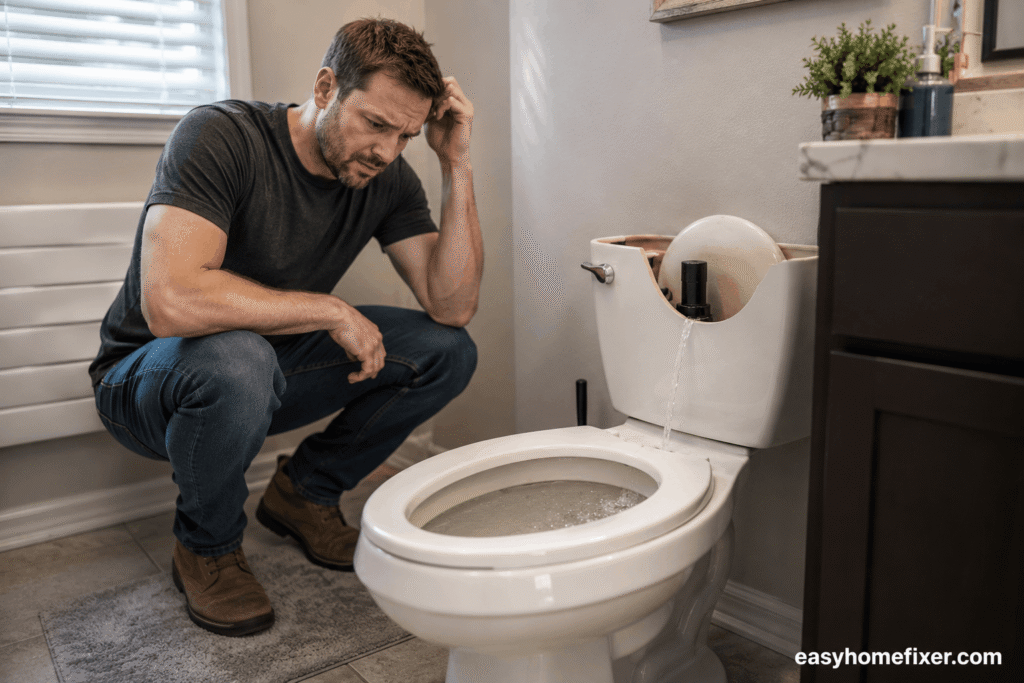
A running toilet is one of the most common and expensive sources of water waste. When the toilet flapper becomes worn out or doesn’t seal properly, water continuously flows from the tank into the bowl.
Many homeowners don’t notice the problem because the flow is often quiet. However, a running toilet can waste thousands of gallons of water each month.
A simple way to test for this issue is to place a few drops of food coloring into the toilet tank. Wait about 15 minutes without flushing. If color appears in the bowl, the flapper likely needs replacement.
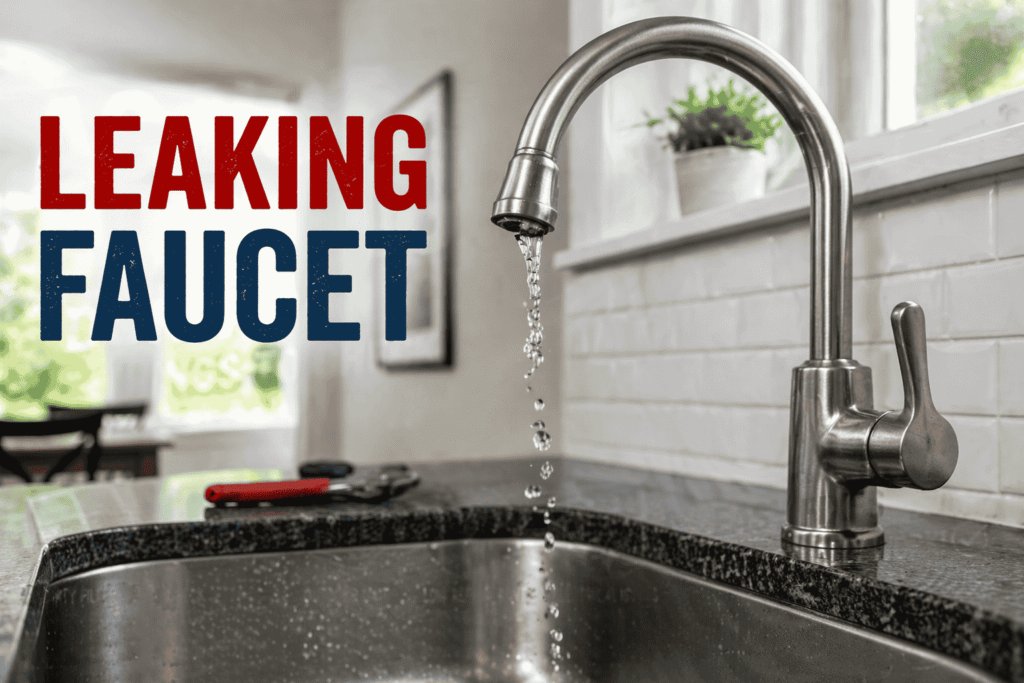
3. Dripping Faucets
A dripping faucet may seem harmless, but those small drops can add up quickly over time. A faucet that drips constantly can waste hundreds of gallons of water each year.
Common causes include:
- Worn washers
- Damaged seals
- Corroded valve seats
- Loose parts
Fortunately, most faucet repairs are inexpensive and can often be completed without professional help.
4. Irrigation System Problems
Outdoor irrigation systems can be another major source of water waste. Broken sprinkler heads, underground pipe leaks, or incorrect watering schedules can dramatically increase water consumption.
Inspect your sprinkler system regularly and watch for:
- Wet patches in your yard
- Water spraying sidewalks or driveways
- Uneven lawn watering
- Broken sprinkler heads
Making small adjustments can save a surprising amount of water.
5. Increased Household Water Usage
Sometimes there isn’t a plumbing problem at all. Your household may simply be using more water than usual.
Examples include:
- Guests staying at your home
- More laundry loads
- Longer showers
- Filling a swimming pool
- Extra lawn watering during hot weather
Review any recent lifestyle changes before assuming there’s a leak.
6. Faulty Water Meter
Although uncommon, water meters can occasionally malfunction.
To perform a simple test:
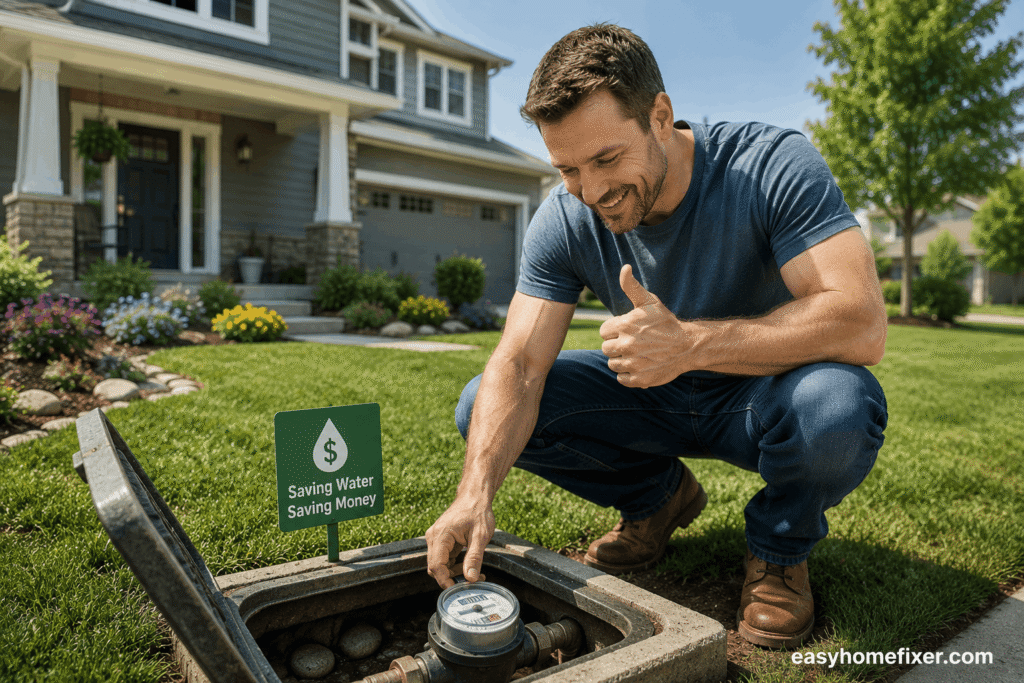
- Turn off all water fixtures and appliances.
- Check your water meter reading.
- Wait 30 minutes without using any water.
- Check the meter again.
If the reading changes, you may have a hidden leak or a faulty meter that requires professional inspection.
7. Old Plumbing Fixtures
Older toilets, faucets, and showerheads often use much more water than modern water-efficient models.
Upgrading to newer fixtures can:
- Lower water usage
- Reduce utility costs
- Improve efficiency
- Increase home value
Many homeowners recover the upgrade cost through lower monthly bills.
How to Lower Your Water Bill
If you’re trying to reduce your monthly water costs, follow these simple tips:
- Fix leaks immediately
- Repair running toilets
- Replace dripping faucets
- Upgrade old fixtures
- Monitor outdoor watering
- Check your water meter regularly
- Teach family members water-saving habits
Final Thoughts
A sudden increase in your water bill is usually a warning sign that water is being wasted somewhere in your home. Hidden leaks, running toilets, dripping faucets, and irrigation issues are among the most common causes.
By identifying the problem early and making a few simple repairs, you can save water, lower your monthly utility costs, and avoid larger plumbing problems in the future. A little investigation today could save you hundreds of dollars over the course of a year.
FAQ
Q1. Why is my water bill suddenly much higher than usual?
Ans: A sudden increase is often caused by hidden leaks, running toilets, dripping faucets, irrigation system problems, or increased household water usage.
Q2. Can a small water leak really increase my bill?
Ans: Yes. Even a small leak can waste hundreds or thousands of gallons of water over time, leading to significantly higher bills.
Q3. How do I know if I have a hidden water leak?
Ans: Turn off all water fixtures and check your water meter. If the meter continues to move, you may have a hidden leak.
Q4. Does a running toilet waste a lot of water?
Ans: Absolutely. A running toilet can waste hundreds of gallons per day and is one of the most common causes of high water bills.
Q5. Can dripping faucets increase water costs?
Ans: Yes. While a single drip may seem minor, continuous dripping can waste a surprising amount of water over months.