My house is a bit old, so small electrical issues like switches or outlets not working keep coming up from time to time. And if you live in the U.S., you already know how expensive it can be to call an electrician — even for a small fix.
I got tired of spending money on these minor problems, so I decided to try fixing them myself.
And honestly, once I started, I realized something surprising… many of these issues are actually simple and don’t need a professional at all.
So if you’re facing a power outlet that’s not working, don’t worry. Let me show you a few easy steps you can try before calling an electrician — it might save you a good amount of money.
First — Safety Comes First
Before doing anything, make sure you stay safe:
- Turn OFF power from the breaker panel
- Never touch exposed wires
- Use basic tools only
If something feels risky, don’t take chances.
1. Check If It’s Just One Outlet
Start with a simple check.
Ask yourself:
- Is only one outlet not working?
- Are other outlets fine?
If it’s just one, the problem is usually small and fixable.
2. Check the Circuit Breaker
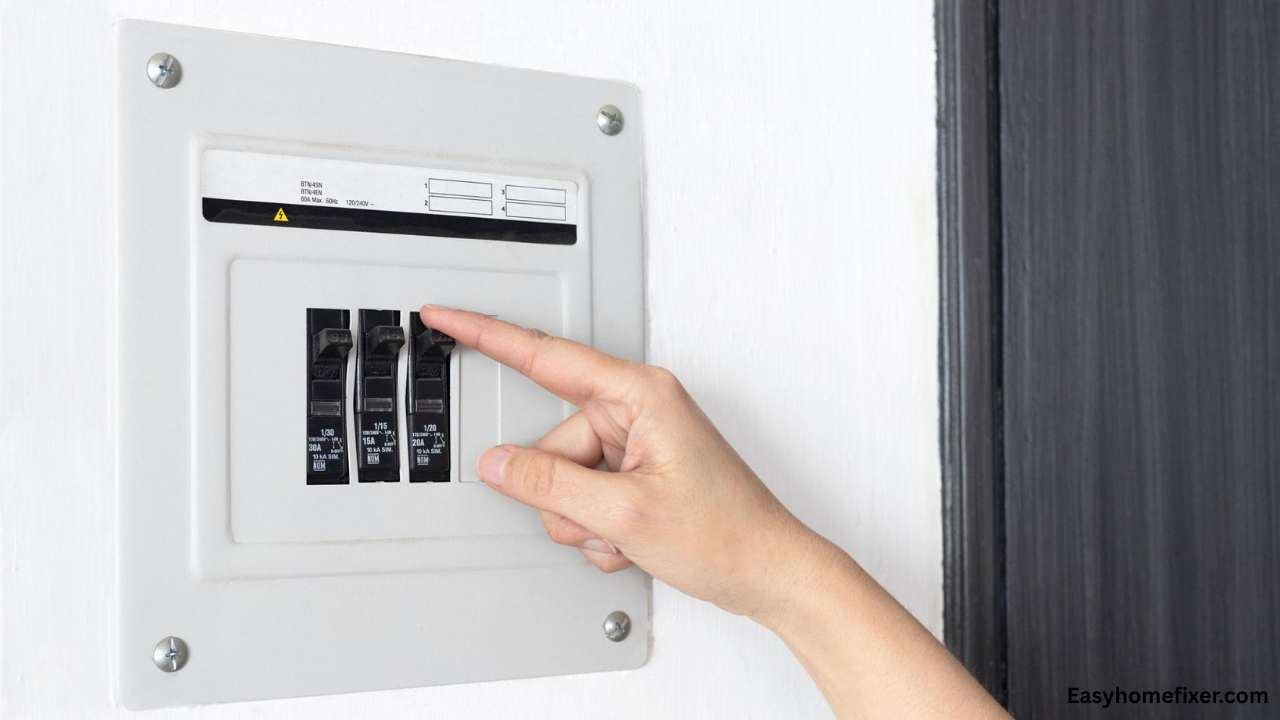
This is the most common issue in U.S. homes.
Go to your breaker panel and look for:
- A switch that’s OFF or in the middle
Fix:
- Turn it OFF completely
- Then turn it back ON
Many times, this alone fixes the problem instantly.
3. Reset the GFCI Outlet
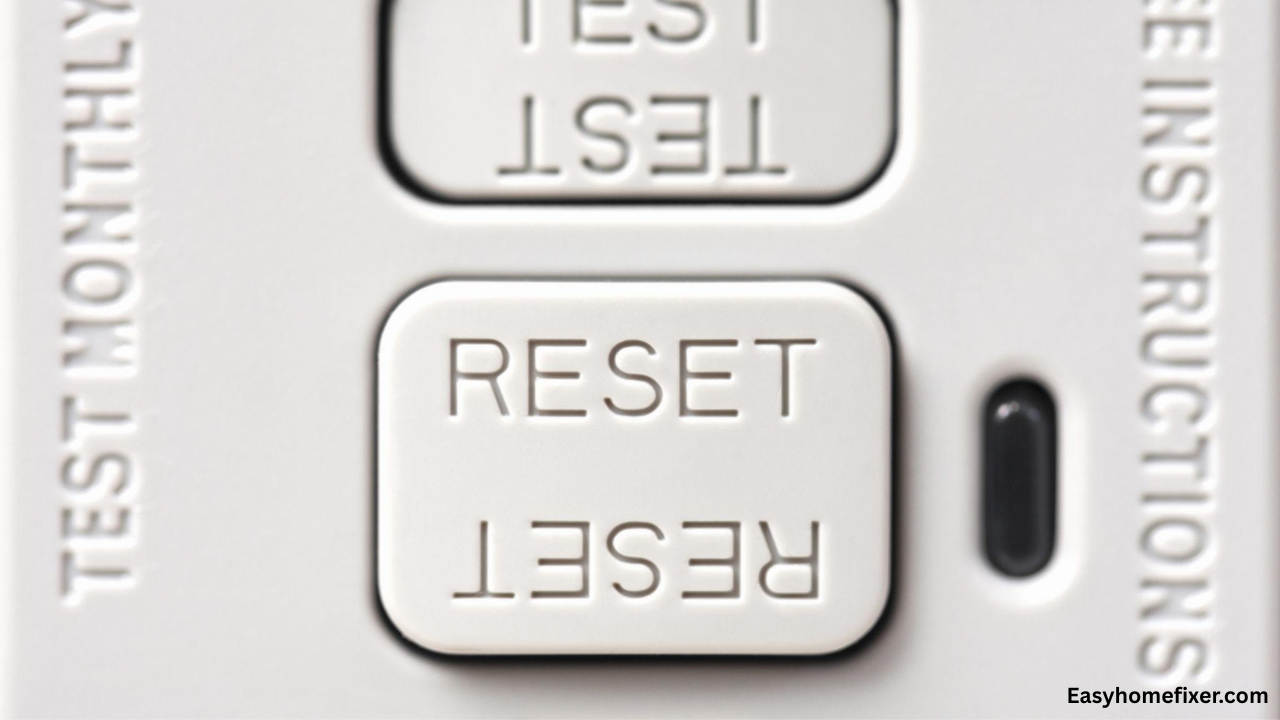
If your outlet is in the kitchen, bathroom, or garage, it may be connected to a GFCI outlet.
Look for buttons labeled:
- RESET
- TEST
Fix:
- Press the RESET button
One GFCI outlet can control multiple outlets in your home.
4. Check for Burn Marks or Damage
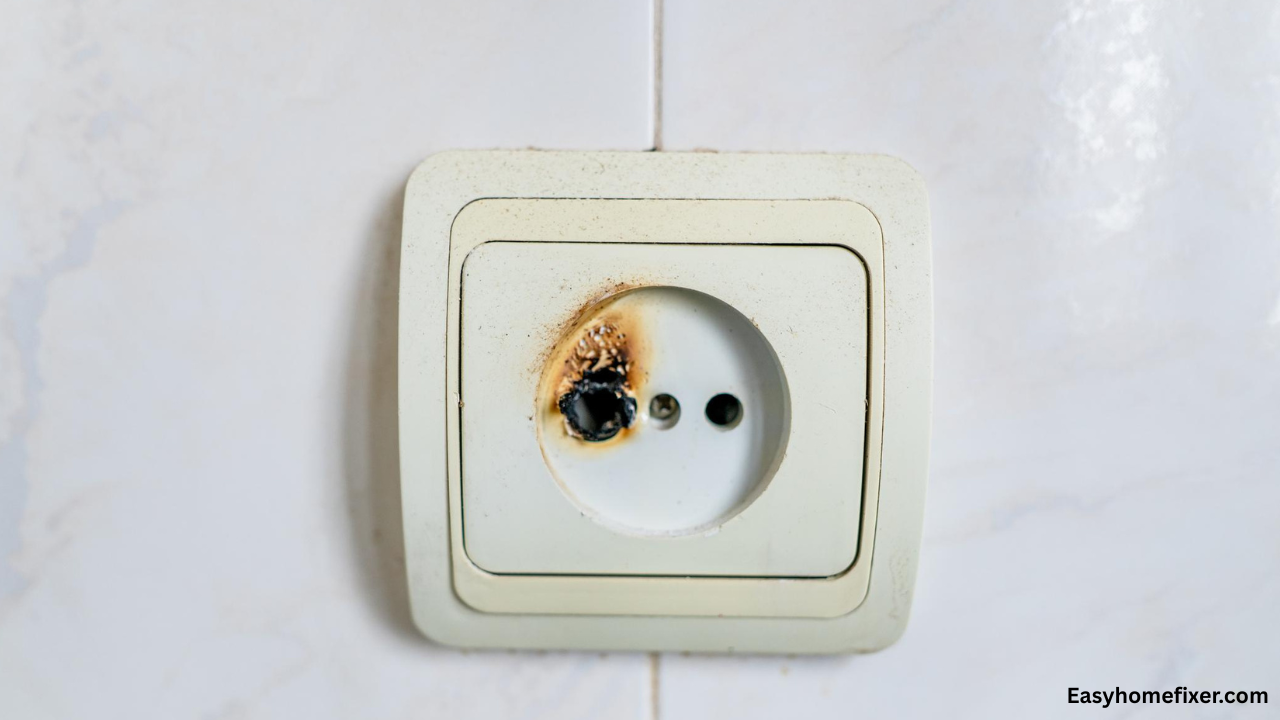
Take a closer look at the outlet.
Look for:
- Black or burn marks
- Loose plugs
- Burning smell
If you notice any of these, stop using the outlet immediately.
5. Tighten or Replace the Outlet (Simple DIY)
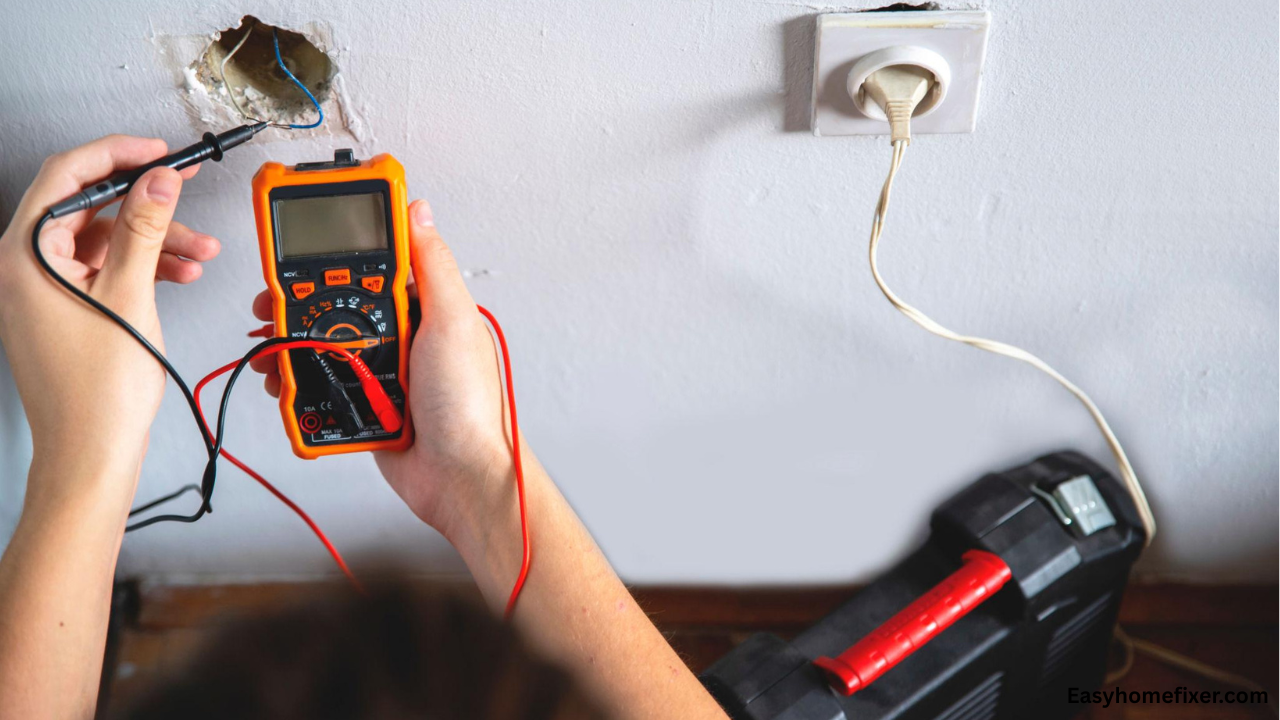
When I first tried this, I thought it would be complicated… but it was actually very simple.
Tools you may need:
Steps:
- Turn OFF power
- Remove the outlet cover
- Check for loose wires
- Tighten or replace the outlet
This small fix can save you a lot of money.
6. Check for Overloaded Circuit
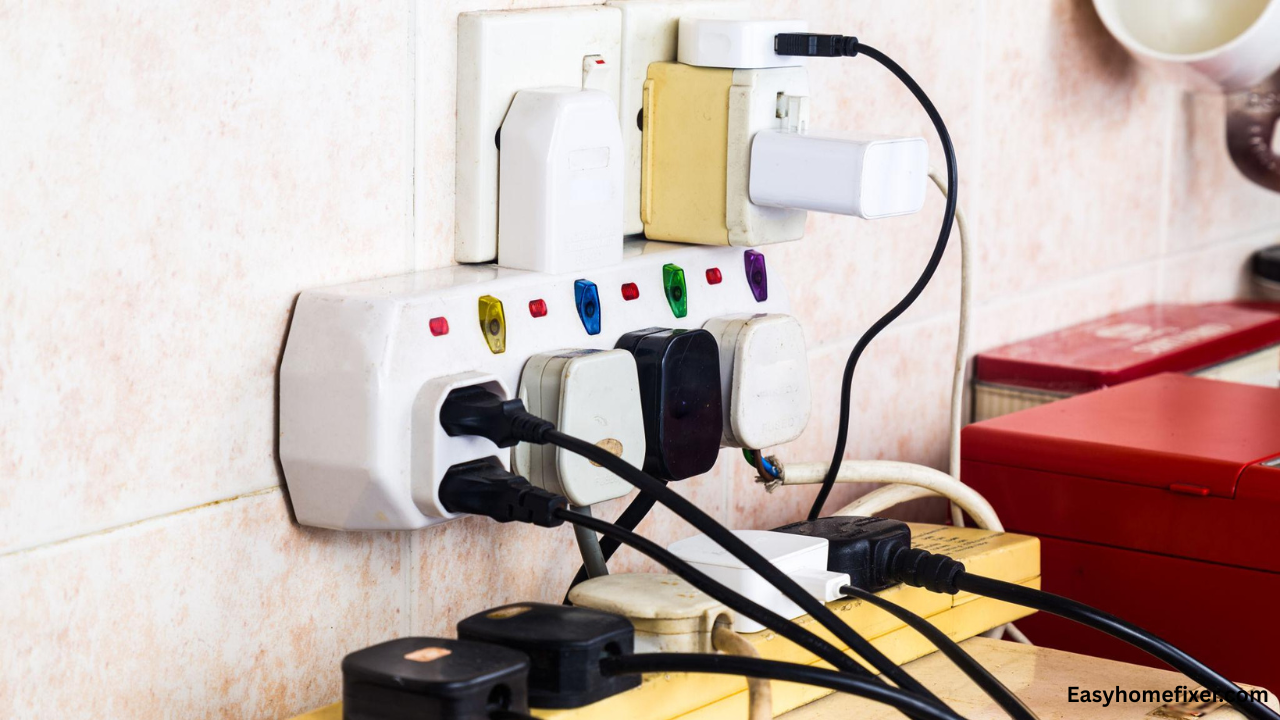
Sometimes the issue isn’t the outlet — it’s the load.
Signs:
- Too many devices plugged in
- Breaker trips often
Fix:
- Unplug extra devices
- Avoid overloading one outlet
How Much Does It Cost in the U.S.?
From my experience:
- DIY fix: $0 – $20
- Electrician visit: $100 – $300
That’s why it’s always worth checking basic things first.
When You SHOULD Call an Electrician
Even though many issues are simple, some situations need a professional:
- You see sparks or smell burning
- Multiple outlets stop working
- Breaker keeps tripping
- You’re not comfortable fixing it
Safety always comes first.
For me, the biggest lesson was this — not every home problem needs a professional.
I used to call an electrician for small issues and spend a lot of money. But once I started learning and fixing simple things myself, I realized how much I could save.
If you’re dealing with a power outlet that’s not working, start with these simple steps. You might fix it yourself in just a few minutes — and save a good amount of money.
FAQs
Q1. Why did my outlet suddenly stop working?
Ans: It could be a tripped breaker, GFCI issue, or loose wiring.
Q2. Is it safe to fix an outlet yourself?
Ans: Yes, if you turn off power and follow basic safety steps.
Q3. How do I know if the outlet is bad?
Ans: If it’s loose, burnt, or not holding plugs properly.