
For the longest time, I thought owning a home was simple. Once the house was built, I assumed I wouldn’t need to worry much about maintenance for years. Whenever a small issue appeared—a tiny water stain, a cracked seal around a window, or a strange noise from the HVAC system—I would ignore it and tell myself I’d deal with it later.
My thinking was simple: instead of fixing one small problem at a time, I’d wait until there were several issues and take care of everything at once.
That turned out to be a costly mistake.
By the time I finally paid attention, many of those minor problems had become much larger and far more expensive to repair. What could have been fixed with a quick inspection or a small maintenance task ended up costing hundreds, and sometimes thousands, of dollars.
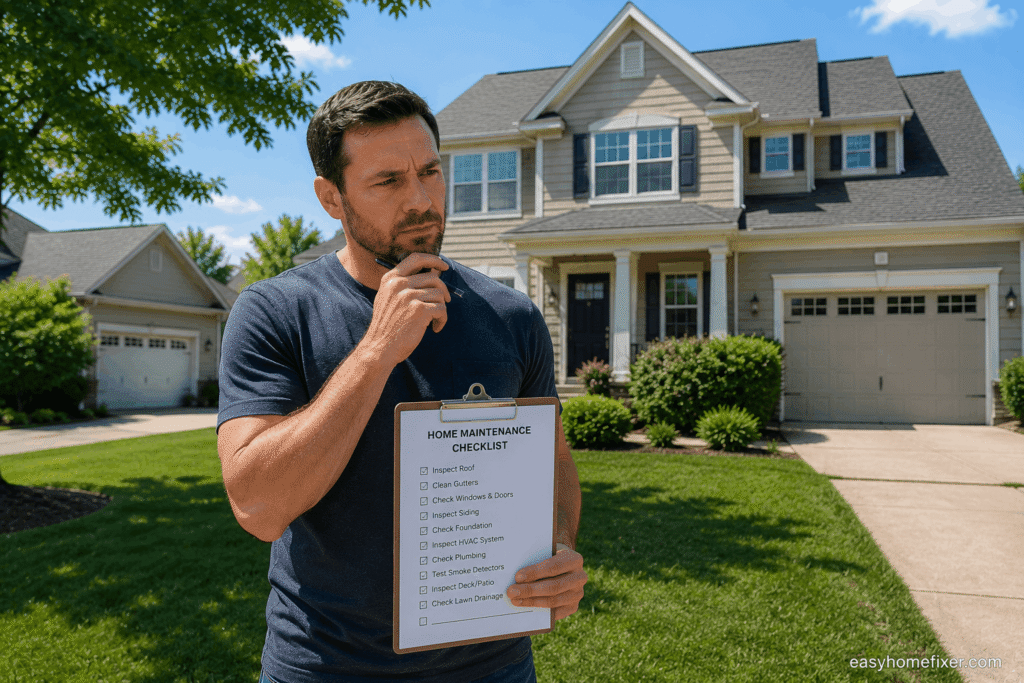
That experience taught me an important lesson: most major home repairs start as small problems that homeowners ignore. If you catch them early, they’re usually easy and affordable to fix. If you don’t, they can quietly damage your home for months or even years.
Here are 10 things that could be slowly destroying your home without you realizing it.
1. Hidden Water Leaks
A small leak under a sink or behind a wall may seem harmless, but over time it can cause mold growth, wood rot, and structural damage.
Check regularly for:
- Water stains
- Musty odors
- Damp areas under sinks
Even a slow drip can lead to expensive repairs if left untreated.
2. Clogged Gutters
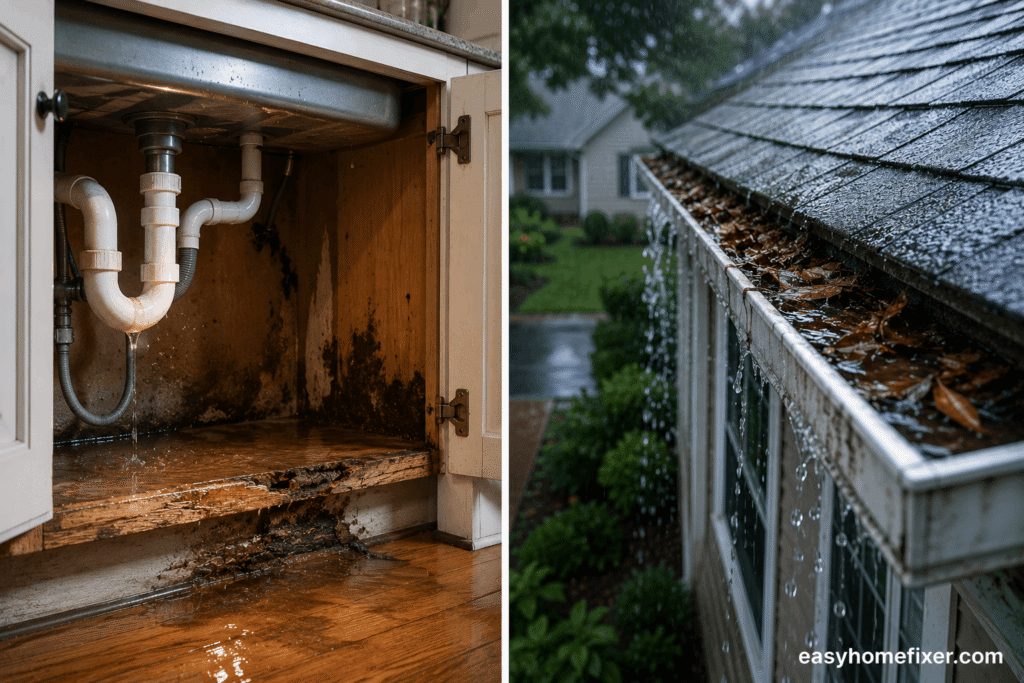
Gutters are designed to move water away from your home. When they become clogged with leaves and debris, water can overflow and damage your roof, siding, and foundation.
Clean gutters at least twice a year to prevent water-related problems.
3. Dirty HVAC Filters
A clogged air filter restricts airflow and forces your HVAC system to work harder than necessary.
This can lead to:
- Higher energy bills
- Poor indoor air quality
- Premature system wear
Replacing filters regularly is one of the easiest maintenance tasks homeowners can perform.
4. Poor Attic Ventilation
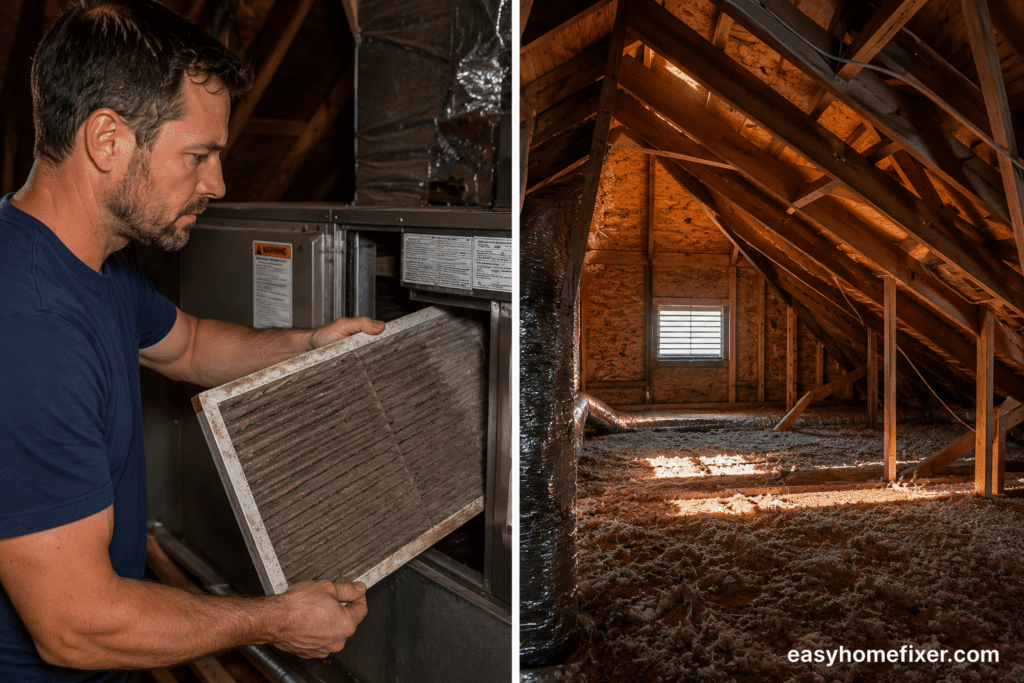
Many homeowners never think about their attic, but poor ventilation can trap heat and moisture inside the home.
Over time, this can damage:
- Roofing materials
- Insulation
- Wooden structures
Proper airflow helps extend the life of your roof and improves energy efficiency.
5. Foundation Cracks
Small foundation cracks may not seem urgent, but they can grow over time and create major structural issues.
Inspect your foundation regularly and monitor any cracks for changes in size.
Early repairs are usually far less expensive than major structural work.
6. Moisture Around Windows
Damaged seals and small leaks around windows often go unnoticed.
Excess moisture can cause:
- Mold growth
- Wood rot
- Interior wall damage
Inspect window frames regularly for signs of water intrusion.
7. Pest Infestations
Termites, rodents, and other pests can damage your home long before you notice their presence.
Watch for:
- Droppings
- Chewed materials
- Hollow-sounding wood
- Unusual odors
Early detection can save thousands in repair costs.
8. Roof Damage
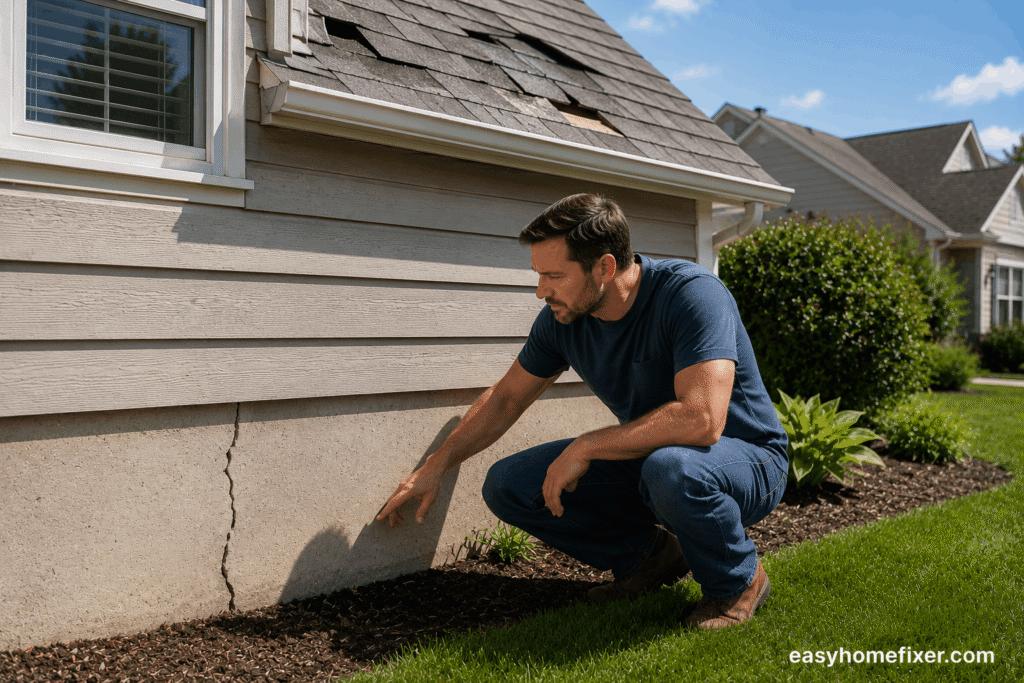
A missing shingle or small roof issue may not seem important today, but it can quickly become a serious problem.
Regular roof inspections help identify damage before water enters your home.
Preventive maintenance is always cheaper than emergency repairs.
9. Electrical Problems
Loose wiring, overloaded circuits, and aging electrical systems can create both safety hazards and property damage.
Warning signs include:
- Flickering lights
- Frequently tripped breakers
- Burning smells
If you notice any of these issues, contact a licensed electrician immediately.
10. High Indoor Humidity
Excess humidity can quietly damage walls, ceilings, flooring, furniture, and electronics.
It also creates ideal conditions for mold growth.
If your home feels sticky or humid even with the air conditioner running, it may be time to investigate the cause.
How to Protect Your Home
You don’t need to be a professional contractor to prevent major home repairs.
A simple maintenance routine can help you:
- Catch problems early
- Lower repair costs
- Improve energy efficiency
- Extend the life of your home’s systems
The key is consistency. Small inspections today can prevent major expenses tomorrow.

Final Thoughts
Most homeowners don’t lose money because of one major disaster. They lose money because small problems go unnoticed until they become expensive repairs.
By paying attention to these common warning signs and addressing issues early, you can protect your home’s value, improve comfort, and avoid unnecessary repair bills for years to come.
FAQs
Q1. What causes the most damage to a home?
Ans. Water damage is one of the most common and costly problems homeowners face.
Q2. How often should I inspect my home?
Ans. A basic inspection every season can help identify problems before they become serious.
Q3. Are small foundation cracks normal?
Ans. Some minor cracks are common, but any crack that grows or changes should be evaluated.
Q4. Why is high humidity bad for a home?
Ans. Excess moisture can lead to mold growth, wood damage, and poor indoor air quality.
Q5. What is the easiest home maintenance task?
Ans. Replacing HVAC filters regularly is one of the simplest and most effective maintenance tasks.