Low water pressure is something I used to deal with all the time. No matter what I tried, it would work for a while… and then the same problem came back again. It started getting frustrating, especially because every time I called a plumber, I ended up spending more money.
And if you live in the U.S., you already know — plumbing services aren’t cheap.
That’s when I decided to stop relying on temporary fixes and actually figure out the real problem myself. One day, I finally took the time to check things properly, and to my surprise, the solution was much simpler than I expected.
If you’re facing low water pressure at home, don’t worry. In most cases, you don’t need a professional. You just need to know what to check.
What Causes Low Water Pressure?
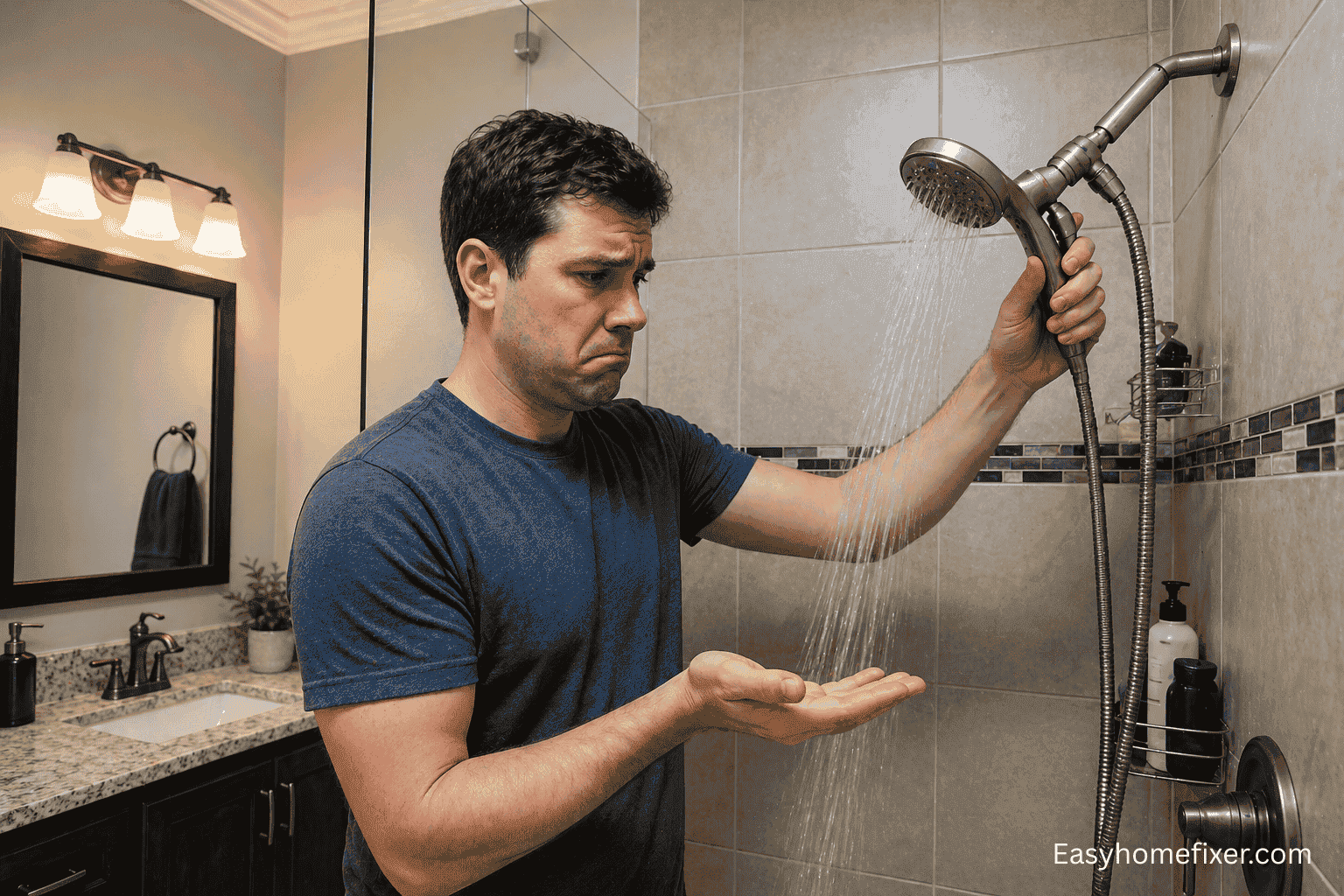
Low water pressure usually isn’t a major issue. In most homes, it’s caused by small blockages, mineral buildup, or simple adjustments that have been overlooked. Over time, things like faucet aerators, showerheads, and even valves can get clogged or partially closed, reducing the water flow without you realizing it.
Instead of assuming the worst, it’s always better to start with the basics. Most of these fixes take just a few minutes and don’t require any special tools.
1. Clean the Faucet Aerator
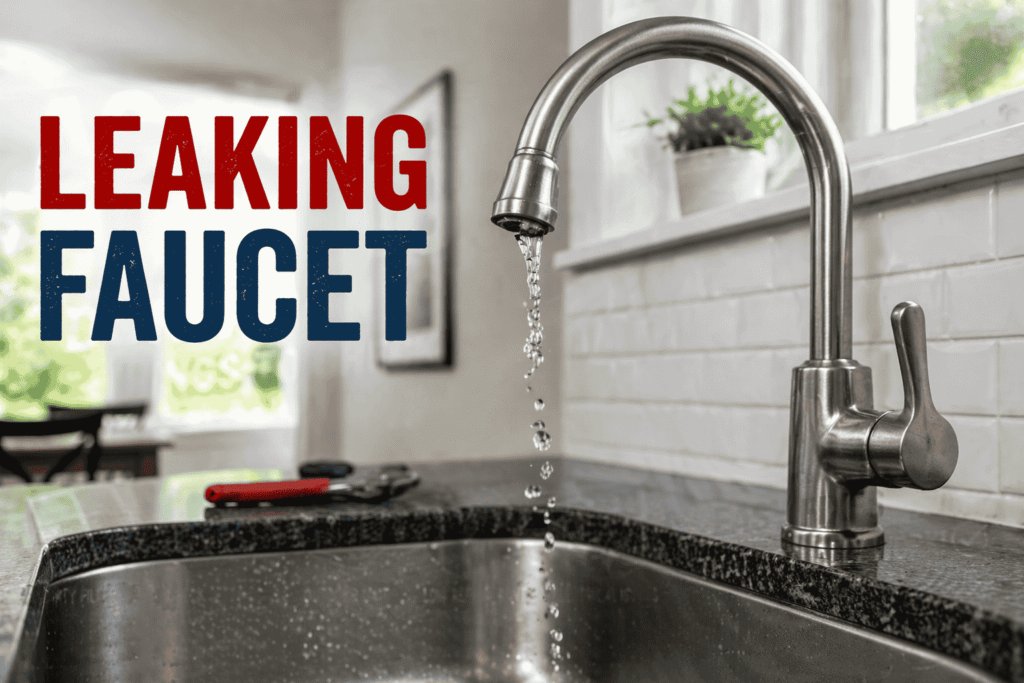
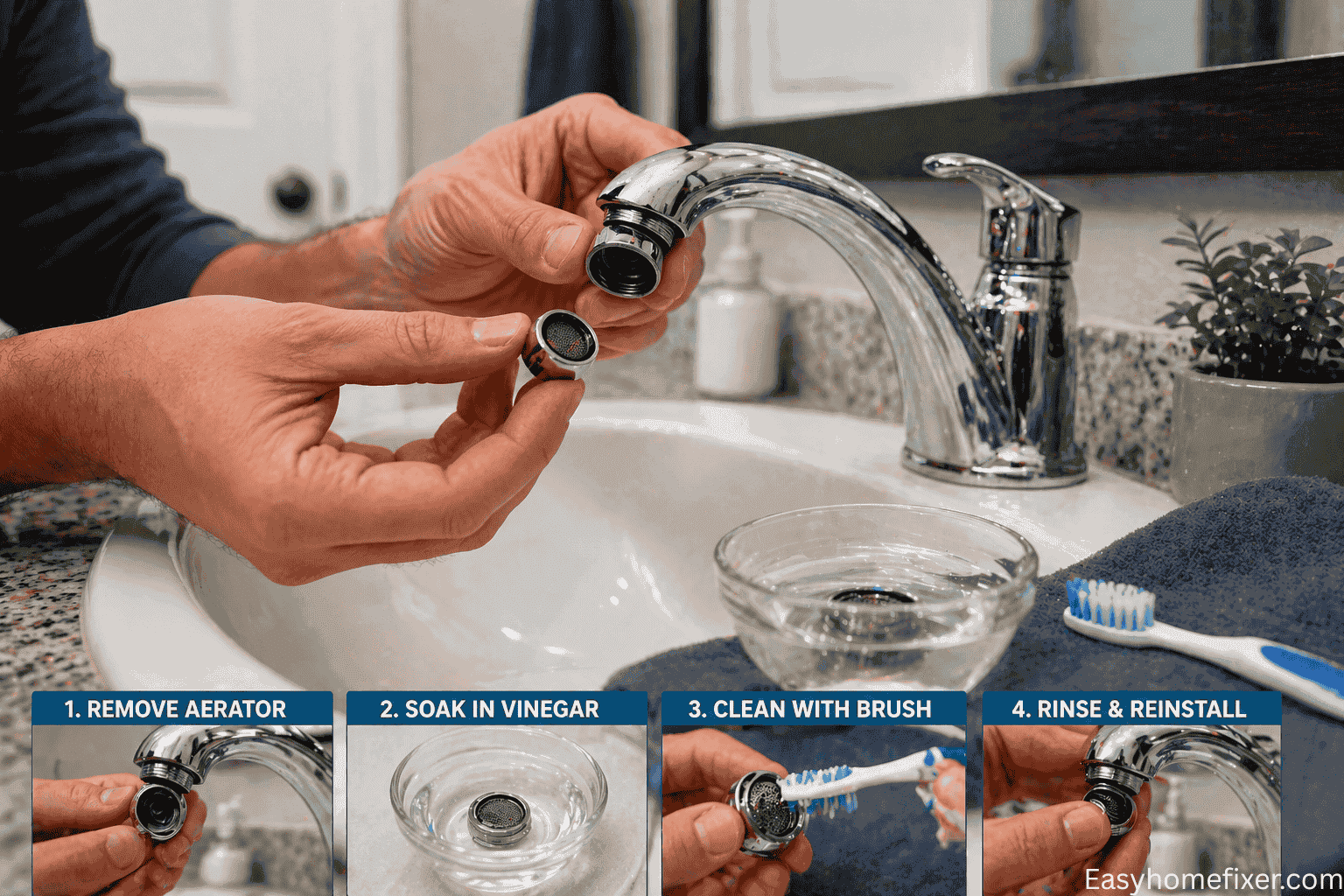
One of the most common reasons for low water pressure is a clogged aerator. This small piece at the tip of your faucet collects minerals and debris over time, especially if you have hard water.
Removing it and cleaning it thoroughly can instantly improve water flow. In many cases, this simple step solves the problem completely without any additional effort.
2. Check the Showerhead
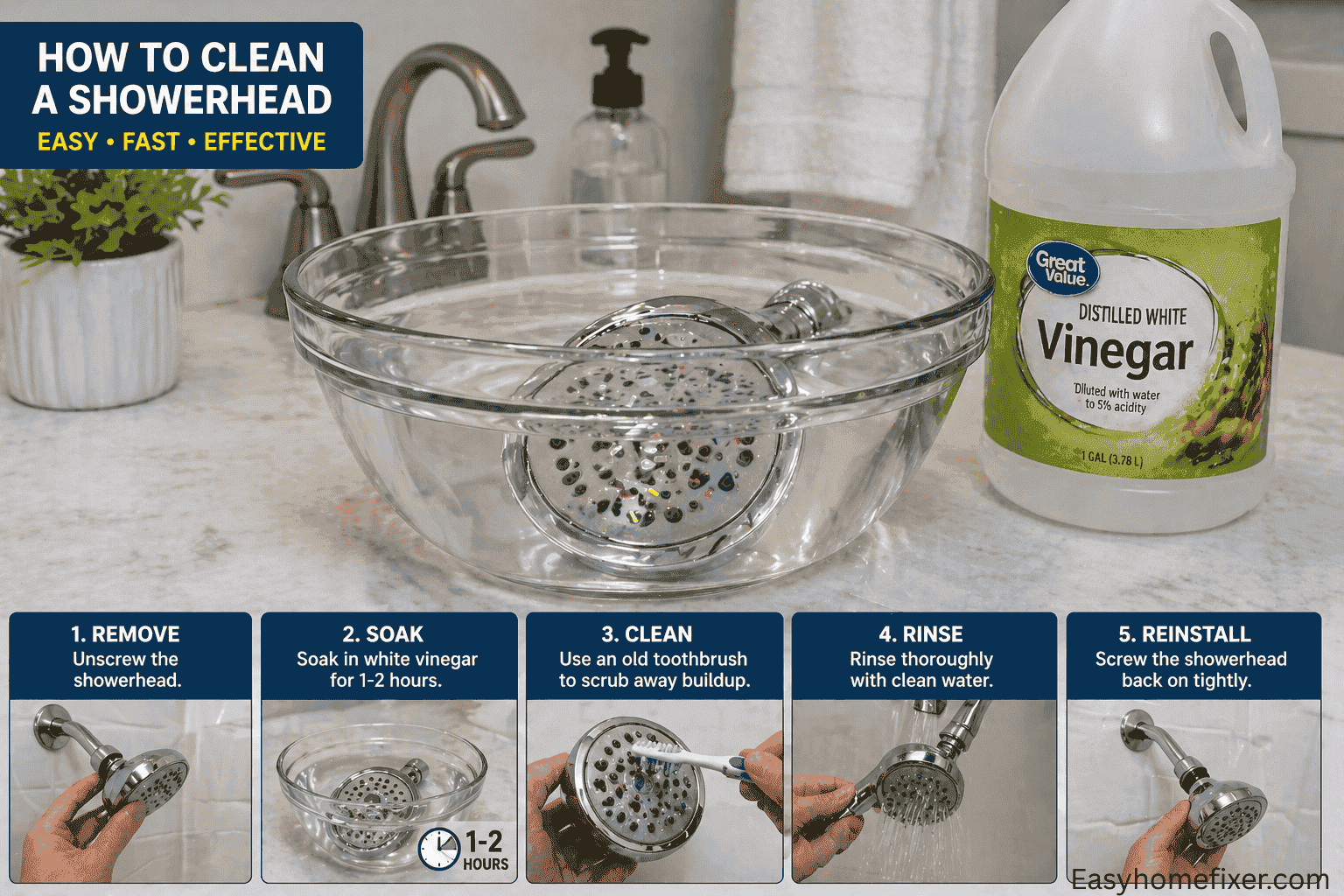
If your shower pressure feels weak, the showerhead could be blocked with mineral deposits. This is very common in households and often goes unnoticed until the pressure becomes too low.
Soaking the showerhead in vinegar for a few hours helps break down the buildup. Once cleaned, the difference in water flow can be immediately noticeable.
3. Make Sure the Main Water Valve Is Fully Open
Sometimes the issue isn’t inside your fixtures at all. If the main water valve isn’t fully open, it can restrict water flow throughout the entire house.
Checking this only takes a moment, but it can make a big difference. Make sure the valve is turned all the way open to allow proper pressure.
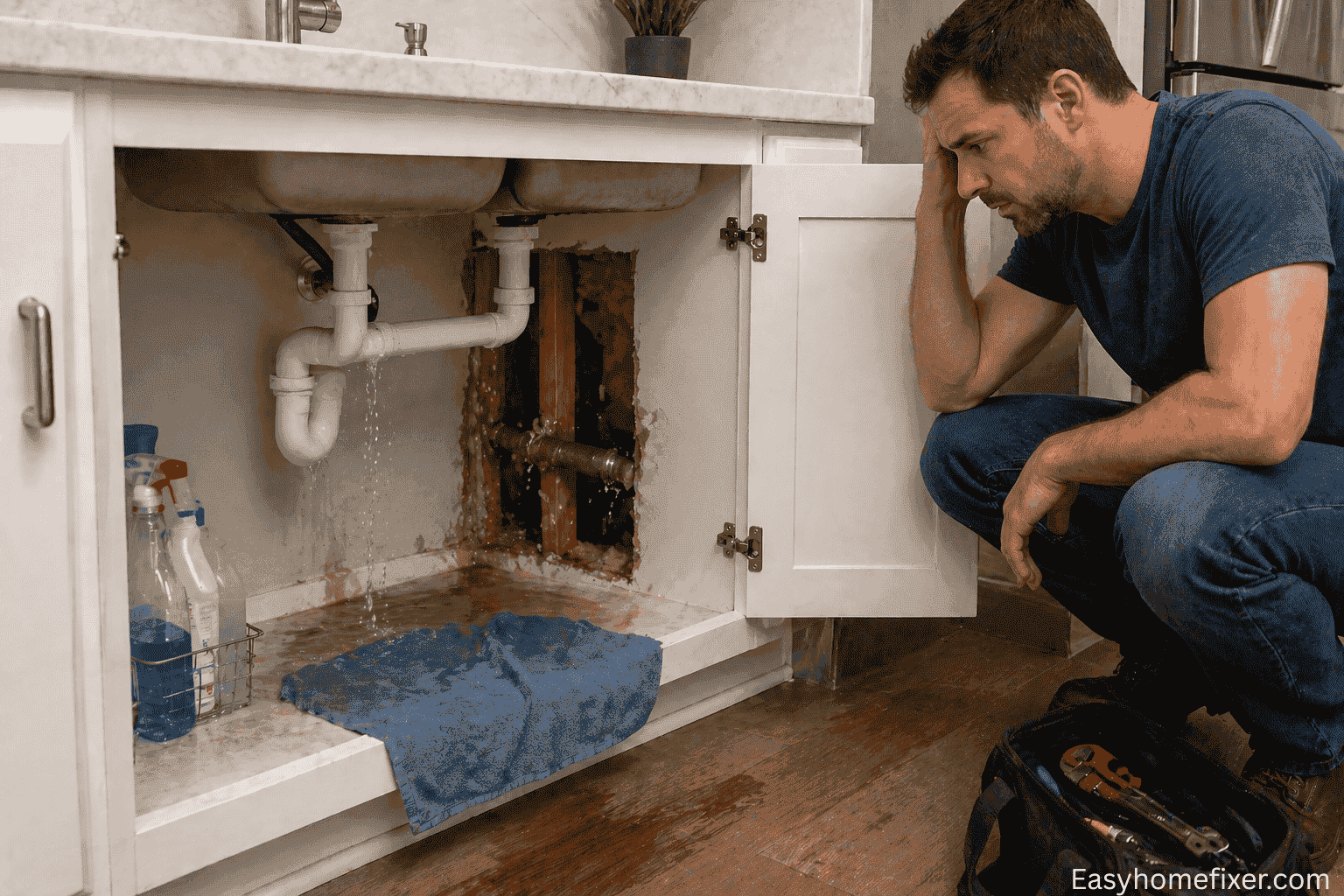
4. Look for Hidden Leaks
Leaks are another common reason for low water pressure. Even a small leak can reduce the amount of water reaching your faucets and shower.
If you notice damp areas, unusual sounds, or an unexplained increase in your water bill, it’s worth checking for leaks. Fixing them early can prevent bigger problems later.
5. Check the Pressure Regulator
Some homes have a pressure regulator installed to control water flow. If it becomes faulty, it can reduce pressure across the entire house.
Adjusting or replacing it usually requires a bit more effort, but it’s still a manageable fix. If you’re unsure, this is one situation where calling a professional might help.
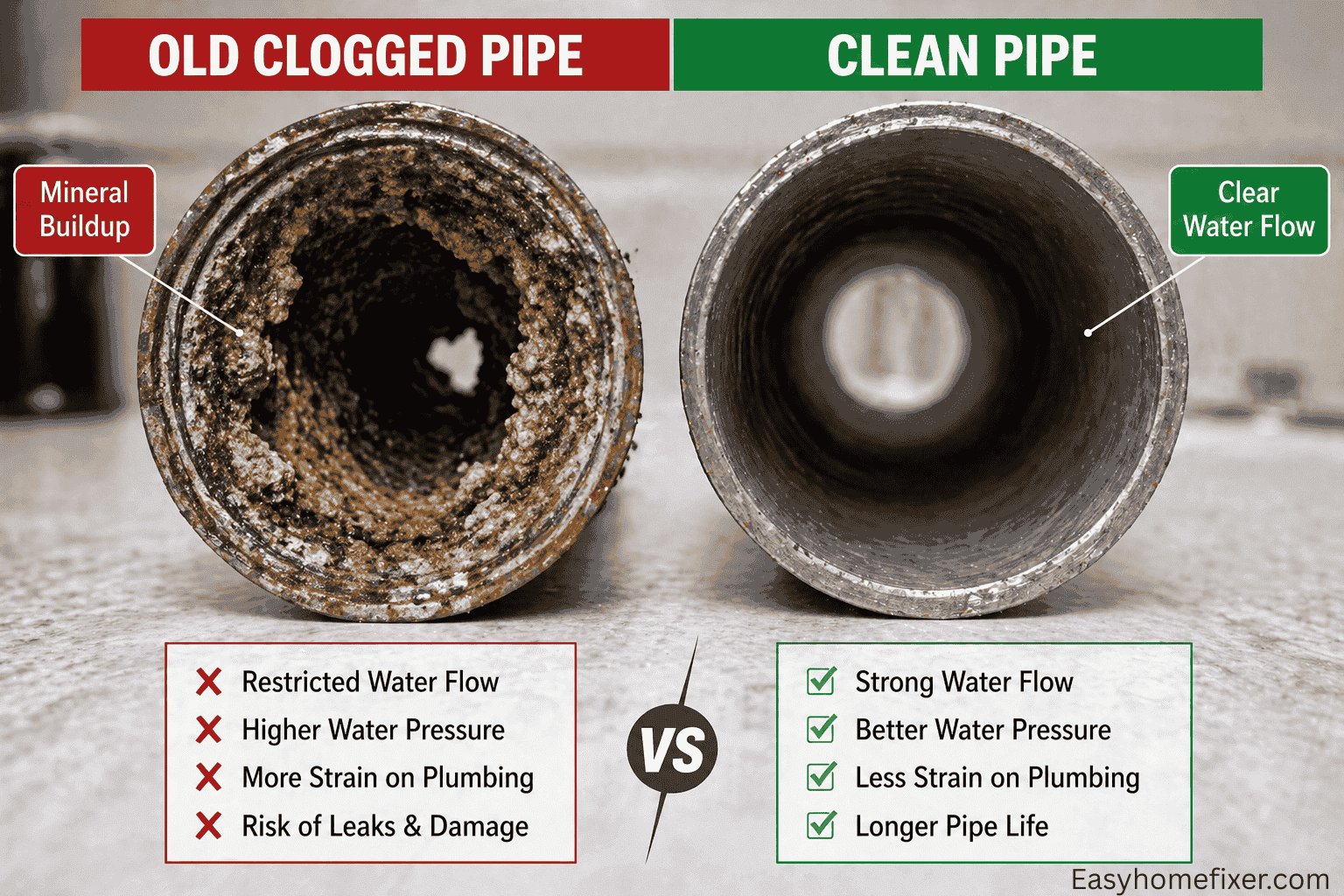
6. Sediment Buildup in Pipes
In older homes, mineral deposits can build up inside pipes over time, restricting water flow. This happens gradually, so it’s not always noticeable at first.
In such cases, flushing the system or replacing old pipes may be necessary to restore proper pressure.
Why You Should Fix It Early
Low water pressure might seem like a minor inconvenience, but it often points to an underlying issue. Ignoring it can lead to bigger plumbing problems, higher repair costs, and wasted time in your daily routine.
Fixing it early not only improves your comfort but also saves money in the long run.
What felt like a frustrating and ongoing problem turned out to be something I could fix myself in just a few minutes. That’s the thing with most home issues — they seem complicated at first, but once you understand them, the solution is usually simple.
Before spending money on a plumber, take a few minutes to check these basic things. You might be surprised how quickly you can fix the problem and get your water pressure back to normal.